.png)
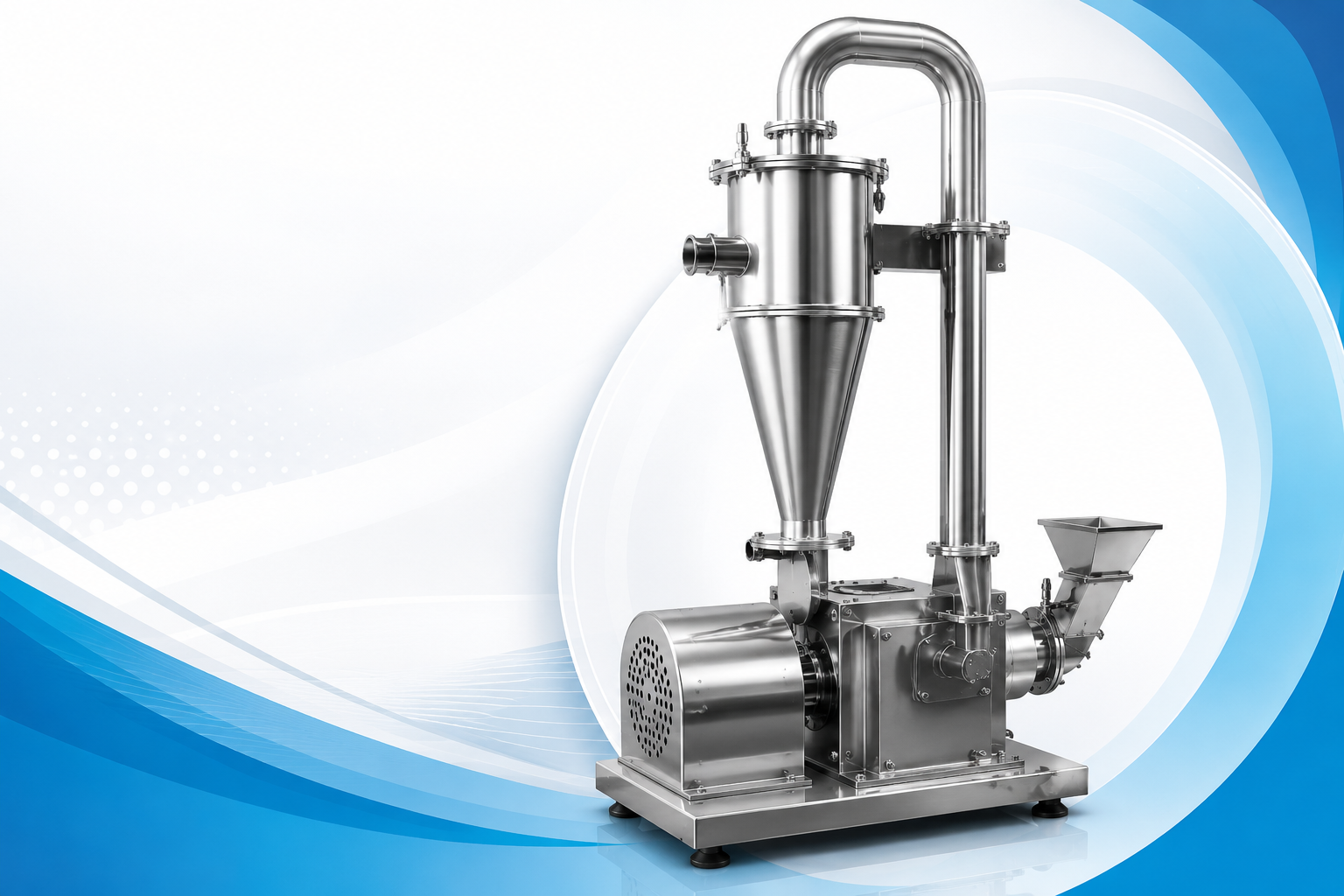
Transforming suitable raw materials into fine powder requires a grinding arrangement that supports the specific needs of each manufacturing application. Rama GMP Machineries offers cyclone pulverizer machinery for compatible spices, dry food ingredients, agricultural materials, and selected industrial substances. As a Cyclone Pulverizer Manufacturer In Haryana, we focus on practical equipment solutions for material reduction, powder transfer, and collection. The machinery combines essential grinding components with an appropriate cyclone separation arrangement, making it suitable for processing applications where dry material pulverizing is required before blending, further production, or packaging.
Every grinding application has different operating requirements, which makes material evaluation an important part of machine selection. Factors such as raw material hardness, moisture, texture, feed dimensions, desired powder fineness, and expected production volume help determine the appropriate configuration. The feeding mechanism, grinding chamber, rotor assembly, motor capacity, airflow passage, cyclone separator, and powder outlet should work together according to the intended application. Businesses looking for a Cyclone Pulverizer In Haryana can connect with Rama GMP Machineries to discuss their processing objectives. We welcome enquiries from Gurugram, Faridabad, Panipat, Sonipat, Karnal, Hisar, Rohtak, Ambala, and other parts of Haryana.
Enquire About Industrial Pulverizing EquipmentConverting raw materials into usable powder requires a well-planned grinding process and machinery suited to the product being handled. Rama GMP Machineries provides powder processing equipment for compatible dry spices, selected food ingredients, agricultural materials, and various suitable industrial substances. As a Cyclone Pulverizer Manufacturer In Haryana, we focus on machinery arrangements that bring together controlled material feeding, mechanical size reduction, air movement, and cyclone-assisted powder recovery. These equipment solutions can be considered by manufacturers looking to establish or improve their dry grinding operations according to specific application requirements.
Machinery selection should begin with an understanding of the product that needs to be pulverized. Material density, moisture percentage, hardness, fibrous content, oil characteristics, and incoming particle size can affect the grinding process. Production targets and the desired powder texture also influence the choice of equipment. Rama GMP Machineries considers these application factors when discussing suitable cyclone pulverizing arrangements with businesses operating in different manufacturing sectors across Haryana.
Powder grinding is an essential stage in many production activities where raw ingredients need to be prepared for mixing, formulation, further processing, or packaging. Depending on their physical characteristics, suitable dry spices, food ingredients, agricultural products, and certain industrial materials can be considered for cyclone pulverizing. Businesses exploring a Cyclone Pulverizer In Haryana should first determine the required particle size and evaluate how the finished powder will be used in their manufacturing process.
Haryana has several manufacturing and commercial centres, including Gurugram, Faridabad, Panipat, Sonipat, Rohtak, Hisar, Karnal, and Ambala. Processing requirements can vary considerably between businesses in these locations. A food ingredient manufacturer may need a particular powder texture, whereas an industrial unit may focus on material reduction and convenient collection. Therefore, the machine arrangement should be selected according to the product, operating environment, and expected production requirements rather than relying on a single configuration for every application.
During operation, the raw material is introduced into the pulverizer through its feeding section and moves towards the grinding chamber. The rotating grinding assembly performs the size reduction according to the machine design and characteristics of the material. The processed particles then travel with the airflow towards the cyclone separation unit. The cyclone uses centrifugal action to assist in separating powder particles from the conveying air before collection. Grinding results depend on factors such as feed properties, operating conditions, airflow, and the selected equipment configuration.
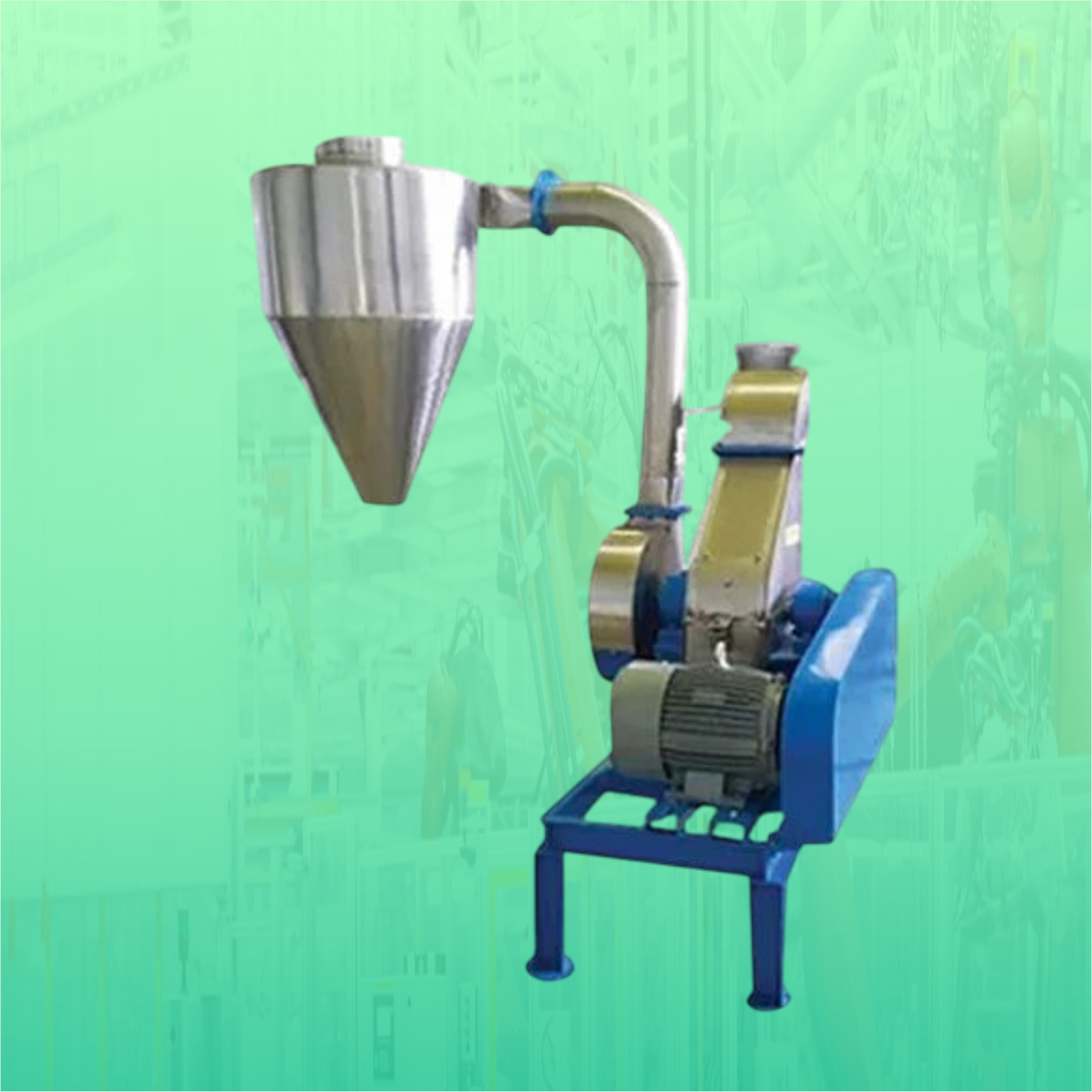
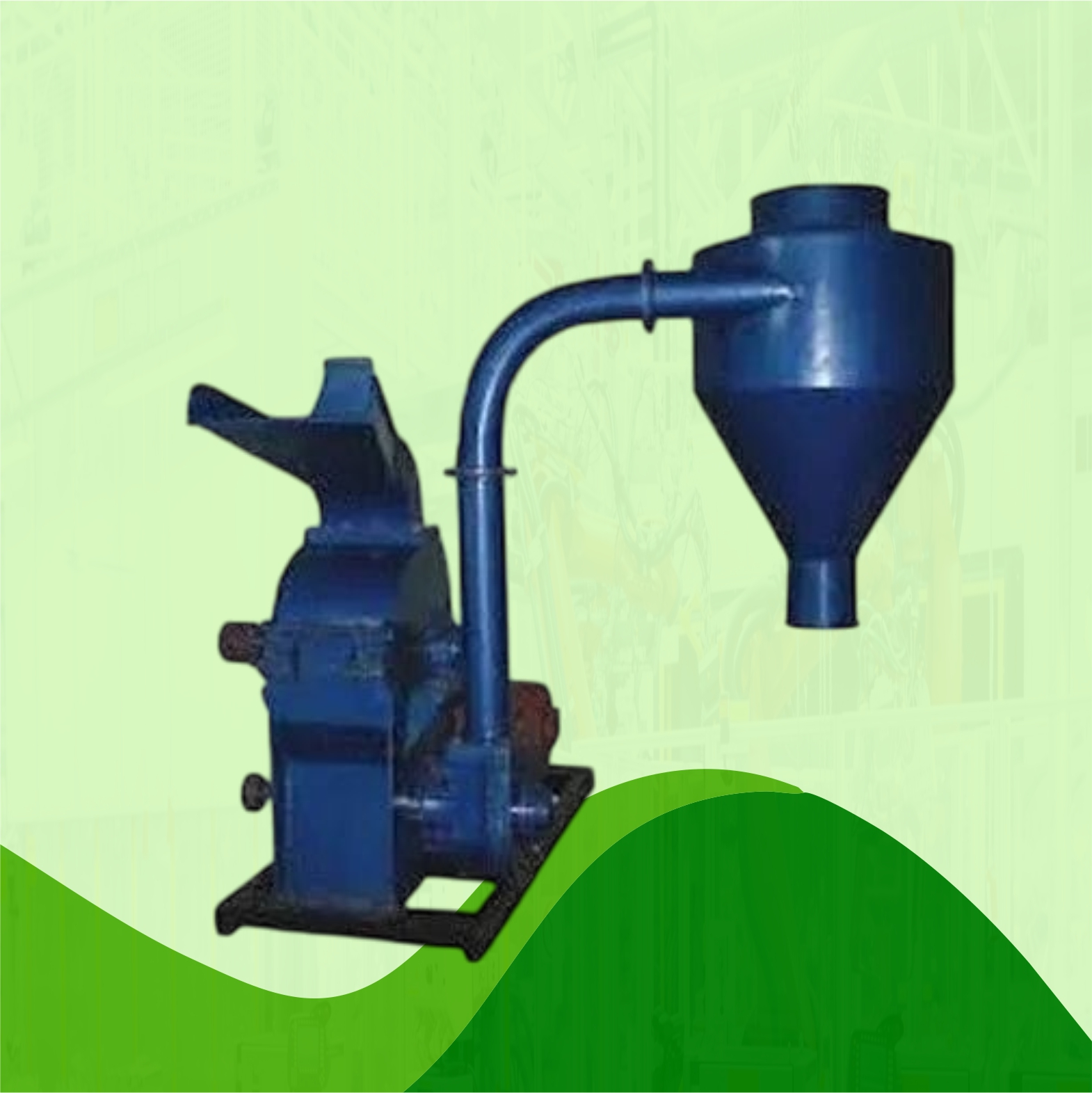
The performance of a pulverizing arrangement depends on how its individual components function together. The feeding section controls the entry of raw material, while the grinding chamber provides the space for particle size reduction. A rotor assembly performs the grinding action, supported by a suitable motor and drive arrangement. Air movement through the system helps carry the processed material towards the separation section. Each component needs to be considered in relation to the material properties and the required processing outcome.
The cyclone separator is an important part of the powder handling arrangement. It receives the mixture of conveying air and processed particles, then uses centrifugal action to assist in separating the powder from the air stream. Powder discharge and collection arrangements complete this stage of the process. When evaluating a Cyclone Pulverizer Manufacturer In Haryana, manufacturers should examine the overall machine setup, including its grinding, airflow, separation, and collection sections.
Apart from the grinding mechanism, installation planning also deserves careful attention. The available floor area, machine accessibility, electrical supply, material feeding space, and powder collection arrangement should be reviewed before positioning the equipment. Operators should also have suitable access for cleaning, inspection, and routine maintenance. Following appropriate operating procedures and safety practices helps maintain an organized working environment around the machinery.
A successful powder processing setup requires more than selecting a grinding machine. Businesses should understand how raw material storage, feeding, pulverizing, separation, and finished powder collection will operate as part of the complete production workflow. The expected processing quantity, operating duration, required fineness, and available installation area should be identified in advance. This information makes it easier to assess equipment suitability and discuss a configuration that matches the intended manufacturing activity.
Rama GMP Machineries welcomes enquiries from food manufacturers, spice processing businesses, agricultural product processors, and industrial units seeking suitable dry grinding equipment. If you are considering a Cyclone Pulverizer In Haryana, share your material details and production objectives with our team to discuss relevant machinery options. We serve enquiries from Gurugram, Faridabad, Panipat, Sonipat, Rohtak, Hisar, Karnal, Ambala, and other industrial locations throughout Haryana. Information about the raw material, desired powder fineness, expected output, and working conditions can help identify an appropriate pulverizing and powder collection arrangement.
Preparing raw materials for powder-based production involves selecting machinery that matches the product's grinding behaviour and the requirements of the manufacturing process. Rama GMP Machineries offers cyclone pulverizing equipment for suitable dry spices, selected food ingredients, agricultural products, and compatible industrial materials. As a Cyclone Pulverizer Manufacturer In Haryana, we focus on practical grinding arrangements that support material feeding, particle size reduction, airflow movement, and powder recovery. These systems can be considered by processing businesses that need an appropriate solution for preparing dry materials before blending, formulation, or further production activities.
Choosing a pulverizer requires attention to the characteristics of the material as well as the expected operating conditions. Raw material hardness, moisture content, density, fibrous nature, oil properties, and incoming particle size can affect grinding behaviour. Manufacturers should also define their required powder fineness, batch or continuous processing needs, expected output, and collection preferences. Depending on the application, the equipment arrangement may incorporate a material feeder, grinding rotor, processing chamber, motor assembly, airflow pathway, cyclone separator, and powder discharge unit. Assessing these elements together helps determine whether a particular configuration is appropriate for the intended application.
Haryana has a broad network of manufacturing and processing locations, including Gurugram, Faridabad, Panipat, Sonipat, Rohtak, Hisar, Karnal, and Ambala. Businesses in these areas operate across different sectors and may have individual requirements for ingredient grinding, agricultural material preparation, and industrial powder processing. Rama GMP Machineries welcomes enquiries from manufacturers looking to evaluate suitable pulverizing equipment for their facilities. When considering a Cyclone Pulverizer In Haryana, it is important to review the entire processing sequence, from controlled feeding and grinding to air-assisted transfer, cyclone separation, and final powder collection. Sharing your material details and production expectations can help our team discuss an appropriate machinery arrangement.
Consistent powder preparation plays an important role in manufacturing industries where raw materials need to be processed into a suitable particle size. Rama GMP Machineries offers cyclone pulverizing equipment designed for compatible dry spices, food materials, agricultural ingredients, and selected industrial powders. As a Cyclone Pulverizer Manufacturer In Haryana, we focus on machinery arrangements that combine effective material feeding, mechanical size reduction, airflow transportation, and cyclone-based powder collection. Equipment selection can be planned around the nature of the raw material, desired powder characteristics, and the production process followed by each manufacturing unit.
Every powder processing application begins with understanding the material being handled. Dried spices, selected food ingredients, agricultural products, and compatible industrial substances can have different grinding characteristics. Moisture level, hardness, bulk density, fibre content, oil percentage, and abrasive nature may influence the performance of the grinding system. Evaluating these properties helps identify suitable machine components and operating conditions for the intended application. This approach supports more informed equipment selection for businesses with different raw material requirements.
Cyclone pulverizers can be considered for production activities that require the size reduction of suitable dry materials. Their potential applications include spice grinding, food ingredient preparation, agricultural powder processing, and selected industrial manufacturing operations. Each application may involve a different target fineness, feed material condition, and output requirement. Understanding the complete production process before choosing equipment helps businesses select a grinding arrangement that matches their intended product and downstream handling needs.
A cyclone pulverizing arrangement brings together material feeding, grinding, air movement, and powder collection. The raw material enters the grinding chamber through the feeding system, where the rotating mechanism performs particle size reduction. The processed material is then carried through the connected airflow path towards the cyclone separator. Inside the separator, centrifugal action assists in separating powder from the conveying air, allowing the collected material to move towards the discharge outlet. The system configuration should be selected according to the product characteristics and required processing conditions.
Choosing pulverizing machinery requires attention to the complete factory setup and not just the grinding capacity. Important considerations include raw material loading, machine dimensions, motor requirements, installation space, cyclone positioning, powder collection, and discharge access. Businesses should also review cleaning convenience, maintenance accessibility, dust management, and operator safety while planning the production area. Considering these factors in advance helps manufacturers organise their facility and integrate the selected cyclone pulverizer into their existing workflow.
Finding the right grinding equipment involves matching machine functionality with the actual demands of the production process. Rama GMP Machineries connects with businesses seeking powder processing solutions across Haryana, including manufacturers and processors in Gurugram, Faridabad, Panipat, Sonipat, Rohtak, Hisar, Karnal, and Ambala. Companies searching for a Cyclone Pulverizer In Haryana can share details about their raw material, required particle size, expected feed quantity, and powder collection preferences. Based on these application details, suitable grinding chamber arrangements, feeding methods, airflow systems, and cyclone separation requirements can be evaluated for their manufacturing operations.
Industries involved in powder manufacturing need machinery that can process suitable raw materials according to specific production goals. From preparing fine food powders to reducing the size of selected agricultural and industrial materials, every application requires attention to material behaviour and grinding conditions. Rama GMP Machineries provides cyclone pulverizing equipment options designed around feeding, grinding, airflow transportation, and powder collection requirements. As a Cyclone Pulverizer Manufacturer In Haryana, we help businesses evaluate relevant machine arrangements based on their product characteristics, expected output, and factory processing needs.
Food and spice production units require suitable grinding equipment to transform compatible dried ingredients into powders for further processing, blending, or packaging. Depending on the product, materials such as dried spices, herbs, and selected food ingredients may need different grinding settings and handling arrangements. Important selection factors include moisture content, natural oil percentage, hardness, feeding characteristics, and the desired powder texture. Manufacturers should also evaluate cleaning access, product handling, and collection arrangements when choosing a cyclone pulverizing system for their food production operations.
Businesses processing agricultural materials may need to reduce suitable dried raw products into smaller particles for different manufacturing purposes. Selected botanical ingredients, dried plant materials, and compatible agricultural products can be assessed for cyclone pulverizer applications. Since these materials may differ in fibre structure, bulk density, moisture, and physical strength, their grinding requirements should be studied before selecting equipment. Proper consideration of the feeding mechanism, grinding chamber, and powder discharge arrangement helps manufacturers plan a processing system according to their material and production objectives.
Various manufacturing operations require dry raw materials to be processed into a controlled particle form before they move to mixing, formulation, or other production stages. For compatible materials, cyclone pulverizing equipment offers a combination of mechanical grinding and airflow-assisted powder collection. The final machine arrangement should take into account material abrasiveness, hardness, feed size, processing temperature, and the desired fineness. Reviewing the grinding assembly, motor selection, air passage, cyclone separator, and collection outlet together helps businesses assess whether the equipment matches their industrial application.
Selecting powder grinding machinery requires a clear understanding of the material, production target, and available factory arrangement. Feed consistency, required particle size, grinding mechanism, airflow movement, cyclone collection, cleaning access, and maintenance requirements are important points to review before making a decision. Rama GMP Machineries welcomes enquiries from manufacturers and processing businesses in Gurugram, Faridabad, Panipat, Sonipat, Rohtak, Hisar, Karnal, and Ambala. Companies searching for a Cyclone Pulverizer In Haryana can share their raw material details, intended application, and expected processing quantity to discuss suitable equipment configurations for their production requirements.
Powder processing units need machinery that can accommodate the characteristics of their raw materials and the demands of their production process. Rama GMP Machineries offers cyclone pulverizer equipment options for compatible dry grinding applications. As a Cyclone Pulverizer Manufacturer In Haryana, we help manufacturers explore suitable machinery arrangements by considering material behaviour, required powder fineness, expected processing quantity, and factory operating conditions.
A cyclone pulverizer is designed around a coordinated arrangement of material feeding, mechanical grinding, air movement, and powder collection. Its major components may include a feeding inlet, grinding chamber, rotor assembly, electric motor, airflow connections, cyclone separator, and powder discharge section. Each component contributes to the movement and processing of material through the equipment.
Suitable dried spices, selected food ingredients, compatible agricultural materials, and certain industrial substances may be assessed for pulverizing applications. However, not every material behaves in the same way during grinding. Moisture, hardness, density, fibre content, oil percentage, and abrasive properties should be considered before deciding on an appropriate machine configuration.
Whether you are planning a new powder manufacturing facility or upgrading an existing production arrangement, understanding your processing requirements is the first step towards machinery selection. Rama GMP Machineries welcomes enquiries from Haryana-based manufacturers looking to discuss material handling, grinding arrangements, powder collection, and installation requirements.
Successful powder production depends on the coordination of several machine operations. Raw material must enter the equipment properly, undergo the required size reduction, and move through the collection arrangement without disrupting the intended production workflow. Businesses exploring a Cyclone Pulverizer In Haryana should evaluate the complete processing system according to their product specifications and manufacturing objectives.
Different industries handle materials with varying physical characteristics. Dried spices, selected dehydrated food ingredients, suitable agricultural products, and compatible industrial powders may require different grinding conditions. Their moisture level, bulk density, hardness, oil content, fibre structure, and incoming particle dimensions can influence the machine selection process.
The feeding inlet, grinding chamber, rotor mechanism, motor, airflow passage, cyclone separator, and collection outlet form important parts of the equipment arrangement. Understanding how material travels through these sections helps manufacturers evaluate the machine's working process and its suitability for a particular production requirement.
Haryana's manufacturing businesses operate across different industrial locations, including Gurugram, Faridabad, Panipat, Sonipat, Rohtak, Hisar, Karnal, and Ambala. Their powder processing needs may vary according to the raw material, finished product, production schedule, and available factory infrastructure. Machinery selection should reflect these individual requirements.
Contact Rama GMP Machineries to discuss your material specifications, grinding objectives, and expected output. Our team can help you understand the relevant equipment considerations for your proposed cyclone pulverizing application.
Industrial grinding machinery should be selected after comparing its technical configuration with the actual requirements of the production process. A machine suitable for one raw material may not necessarily deliver the same results with another. When approaching a Cyclone Pulverizer Manufacturer In Haryana, buyers should provide accurate information about their material, processing quantity, and desired powder characteristics.
Begin by identifying the nature of the substance to be processed. Hardness, moisture, bulk density, oiliness, fibre content, abrasiveness, and initial particle size can influence the grinding operation. These details help establish the technical points that need attention before finalising a machine.
Calculate how much raw material your facility needs to process during a batch, working hour, or production shift. Compare this requirement with the machine's specified capacity and discuss expected performance for your particular material. Actual output can vary depending on feed characteristics, required fineness, and operating conditions.
Define the powder characteristics needed for your next manufacturing operation. The required fineness and consistency may differ for blending, formulation, ingredient preparation, or other applications. Discuss the available grinding configuration and its suitability for the intended finished product.
Evaluate the incoming material in terms of moisture, hardness, oil content, fibre structure, density, and initial dimensions. These properties can influence how the substance moves through the feeding system and grinding chamber. Certain applications may also require preliminary cleaning, drying, or size reduction.
Examine the rotor assembly, grinding chamber construction, motor specifications, and other working components as one complete arrangement. Their technical suitability should be considered according to the material properties and planned operating schedule. Request relevant specifications before making a purchasing decision.
The powder recovery arrangement deserves attention alongside the grinding mechanism. Review the airflow connections, cyclone separator, collection chamber, and discharge outlet together. The complete setup should be suitable for the material being processed and the method used to collect the finished powder.
Check the available installation area, machine dimensions, electrical requirements, and access for material handling. Operators should have sufficient space to inspect the feeding, grinding, and collection sections. Cleaning and maintenance activities should follow the equipment manufacturer's instructions.
Manufacturers in Haryana can share their raw material details, target powder specifications, production expectations, and factory layout information with Rama GMP Machineries. These details provide a practical starting point for discussing suitable cyclone pulverizer configurations.
Powder preparation requirements differ from one manufacturing activity to another. The type of raw material, required particle characteristics, and intended use of the finished powder should determine the equipment selection process. Rama GMP Machineries offers machinery options for compatible dry grinding applications to businesses consulting a Cyclone Pulverizer Manufacturer In Haryana.
During operation, raw material is introduced through the feeding arrangement and directed into the grinding chamber. The rotating mechanism works on the material to reduce its particle size. After grinding, the processed particles travel through the connected airflow passage towards the cyclone separator, where the powder collection process takes place.
Manufacturers should establish their expected powder quality before selecting equipment. Required fineness, material consistency, incoming particle dimensions, and production quantity all contribute to the assessment. Providing these details allows buyers to compare machine specifications with the actual requirements of their manufacturing process.
The grinding chamber is the main processing area where the incoming raw material undergoes particle size reduction. Its working arrangement and rotor configuration should be evaluated according to the material's hardness, physical structure, and desired output. Reviewing the available technical details helps buyers understand whether the proposed grinding system suits their application.
The cyclone separator supports the recovery of processed powder from the conveying air. It uses centrifugal action to assist the separation process before the material reaches the collection section. The separator body, connecting ducts, collection chamber, and discharge outlet should be considered together while assessing the complete machine arrangement.
Selected dried spices, herbs, and suitable dehydrated food ingredients may be considered for powder preparation. Their natural oil content, moisture, hardness, and sensitivity to grinding conditions can influence processing behaviour. Material compatibility and cleaning requirements should be reviewed before choosing machinery for food-related applications.
Certain agricultural processing operations involve grinding suitable dried materials into smaller particles for further manufacturing or handling. Fibre content, bulk density, moisture, and material strength should be evaluated before selecting a pulverizing system. The feeding and discharge arrangements should also correspond with the planned production workflow.
Selected industrial dry substances may require particle reduction before they move to blending, formulation, or other production activities. Their chemical composition, hardness, abrasiveness, and interaction with machine-contact surfaces should be assessed. The proposed machine construction and grinding mechanism must be appropriate for the specific material.
A suitable installation arrangement should provide convenient access to raw material feeding, powder collection, inspection, and servicing. Review the factory layout, electrical connections, and operator movement before positioning the machine. Regular cleaning and maintenance should be completed according to the manufacturer's recommended procedures.
Businesses throughout Haryana can approach Rama GMP Machineries with details of their proposed grinding application. Information about raw material composition, target fineness, processing quantity, and installation conditions helps identify the important factors for evaluating suitable cyclone pulverizing equipment.
Purchasing industrial powder processing equipment requires a clear understanding of the manufacturing task it will perform. Buyers should compare machine construction, material compatibility, working specifications, and production requirements instead of relying only on general equipment descriptions. Rama GMP Machineries offers machinery options for businesses searching for a Cyclone Pulverizer Manufacturer In Haryana for compatible dry material processing.
The complete machine arrangement should be examined before making a decision. This includes the raw material feeding section, grinding chamber, rotor assembly, motor, airflow connections, cyclone separator, powder collection chamber, and discharge arrangement. Understanding how these sections operate together helps manufacturers assess the equipment for their production line.
Share the exact material category and its physical characteristics with the equipment supplier. Moisture, hardness, density, fibre, oil content, and abrasive behaviour are important details for evaluating the grinding application. Mention any preparation or conditioning required before processing.
Estimate the quantity of material to be processed per batch, hour, and working shift. Compare your requirement with the machine's documented capacity and discuss expected results for the proposed substance. Processing output may change according to material condition and target powder fineness.
Explain the required particle size, texture, and consistency of the finished powder. Mention whether the material will be used for blending, formulation, ingredient preparation, or another manufacturing stage. These details help determine the relevant grinding requirements.
Ask about the feeding mechanism, grinding chamber, rotor assembly, motor, airflow passages, cyclone separator, and powder discharge section. Reviewing the complete equipment arrangement provides a clearer understanding of the material processing and collection sequence.
Review machine dimensions, available floor space, electrical supply, and access for transferring raw materials and collecting finished powder. Plan sufficient room around the equipment for operator movement, inspection, and routine servicing.
Understand the recommended cleaning, inspection, and servicing requirements for the grinding chamber, rotor mechanism, material-contact sections, and cyclone collection system. Operators should follow the manufacturer's maintenance guidelines and safety instructions.
A detailed machinery discussion can help manufacturers compare equipment options with greater clarity. Share your material category, production target, required powder quality, and installation details with Rama GMP Machineries to explore relevant cyclone pulverizer arrangements for your Haryana facility.
Knowing how raw material travels through the equipment can help manufacturers understand the role of each machine component. Rama GMP Machineries offers cyclone pulverizing equipment options for compatible dry processing requirements. Businesses consulting a Cyclone Pulverizer Manufacturer In Haryana can discuss the machine's feeding, grinding, airflow, separation, and collection arrangements according to their production application.
The operating sequence begins with the introduction of raw material through the feeding inlet. The material enters the grinding chamber, where the rotating working mechanism reduces it into smaller particles. The processed material then moves through the connected airflow passage towards the cyclone separator.
Inside the cyclone section, centrifugal action assists in separating powder particles from the conveying air. The collected material moves towards the discharge arrangement for further handling. The overall system should be evaluated according to the nature of the raw material and the operating conditions required for the application.
Powdered materials are used in several manufacturing activities, but the processing requirements are not identical across industries. Rama GMP Machineries offers equipment options for compatible dry grinding applications involving selected food ingredients, agricultural materials, and industrial substances.
Food processing businesses may require suitable dried ingredients to be converted into powder before blending or packaging. Agricultural processors may need to reduce selected dried materials into smaller particles, while certain industrial operations require dry substances to be prepared for subsequent production stages.
The suitability of a cyclone pulverizer depends on the physical and processing characteristics of each material. Moisture content, hardness, fibre structure, oil percentage, density, and required powder fineness should be assessed before selecting the grinding arrangement. This application-focused approach helps manufacturers evaluate equipment based on their actual production needs.
A proper understanding of the raw material is essential when planning a powder grinding operation. Different substances can respond differently to the same grinding conditions. Rama GMP Machineries provides equipment options for compatible dry processing applications. Businesses approaching a Cyclone Pulverizer Manufacturer In Haryana should communicate their material characteristics before deciding on a machine configuration.
Important material properties include moisture, hardness, bulk density, oil content, fibre structure, abrasive behaviour, and initial particle dimensions. These characteristics may influence feeding consistency, grinding conditions, and powder movement through the equipment. Certain materials may also need preliminary preparation before entering the grinding chamber.
Along with the material assessment, buyers should review the rotor mechanism, grinding chamber, motor specifications, airflow arrangement, cyclone separator, and powder discharge section. Evaluating these components as one system provides a better basis for determining the equipment's suitability.
Consistent machine operation begins with understanding the manufacturer's instructions and the intended working conditions. Before starting production, operators should confirm that the material is suitable for the equipment and that the machine has been prepared according to the recommended procedure.
During processing, the feeding arrangement, grinding operation, airflow movement, and powder discharge should be observed according to the machine guidelines. The collected powder can be checked against the quality requirements established for the particular manufacturing application.
Routine equipment care may involve inspection of the grinding chamber, rotor assembly, material-contact surfaces, connecting passages, and cyclone collection components. Cleaning and maintenance should be performed using the procedures specified by the manufacturer, with appropriate attention to operating safety.
A well-organised production area should provide a practical route for raw material movement, grinding operations, and finished powder collection. Businesses searching for a Cyclone Pulverizer In Haryana should consider how the machine will connect with existing storage, feeding, and downstream manufacturing activities.
The location of the feeding inlet should allow convenient transfer of raw material into the equipment. Similarly, the powder collection section should be positioned to support the next handling or processing stage. Adequate room for containers, material movement, and operator access should be included in the layout.
Before installation, check machine dimensions, floor space, electrical connections, and access for inspection. Planning these details in advance helps manufacturers organise the equipment and its connected components within their available production area.
Powder processing businesses need equipment that corresponds with their raw material characteristics, production quantity, and desired finished product. Rama GMP Machineries offers cyclone pulverizing machinery options for compatible dry grinding applications. Companies looking for a Cyclone Pulverizer Manufacturer In Haryana can discuss their requirements by providing information about material composition, expected output, required fineness, and intended manufacturing use.
The equipment combines material feeding, mechanical size reduction, airflow transportation, and cyclone-based collection. Raw material enters through the feeding arrangement and reaches the grinding chamber, where the working mechanism reduces its particle size. The processed material then moves through the connected airflow system towards the powder separation and collection section.
Material suitability is one of the most important factors in the selection process. Hardness, moisture, density, oil content, fibre structure, abrasiveness, and incoming particle size may influence the grinding behaviour. Manufacturers should provide accurate information about their raw material to help evaluate the proposed machine configuration.
The powder collection arrangement should also be reviewed during the equipment discussion. The cyclone separator, connecting ducts, collection chamber, and discharge outlet work as connected parts of the material recovery system. Their configuration should be considered according to the product being processed and the intended collection method.
Depending on their physical properties, selected dried spices, dehydrated food ingredients, suitable agricultural materials, and certain industrial dry substances may be evaluated for pulverizing. Each proposed application needs an individual compatibility assessment before the equipment is finalised.
Installation planning should include machine dimensions, electrical supply, raw material feeding access, powder collection arrangements, and sufficient space for inspection. These considerations help businesses plan the equipment around their existing production workflow.
Rama GMP Machineries welcomes enquiries from Gurugram, Faridabad, Panipat, Sonipat, Rohtak, Hisar, Karnal, Ambala, and other industrial areas of Haryana. Manufacturers can discuss their material specifications, processing objectives, and factory requirements to explore relevant cyclone pulverizer equipment options.
Get in touch with Rama GMP Machineries to discuss your dry material grinding application and evaluate suitable cyclone pulverizing arrangements for your Haryana manufacturing unit.
A powder processing machine must handle the material after it has passed through the grinding stage. The collection arrangement is therefore an important part of the complete equipment design. Rama GMP Machineries offers machinery options for businesses considering a Cyclone Pulverizer Manufacturer In Haryana for compatible dry grinding applications. Buyers should assess the material type, required powder characteristics, production quantity, and collection method before choosing a configuration.
After particle reduction takes place inside the grinding chamber, the processed material travels through the connected airflow passage towards the cyclone separator. The separator uses centrifugal action to assist in separating powder from the conveying air before the material moves towards the collection section.
The performance of this arrangement depends on the separator design, airflow conditions, and characteristics of the processed powder. For this reason, manufacturers should review the cyclone body, connecting ducts, collection chamber, and discharge outlet as part of the complete machine assessment.
Understanding the relationship between grinding and powder recovery helps businesses evaluate the equipment according to their intended production process. Sharing raw material details and collection expectations with Rama GMP Machineries can help establish the important specifications for the proposed application.
Selecting grinding machinery requires a realistic estimate of the material quantity that needs to be processed. Manufacturers should consider their batch requirements, working hours, and expected production schedule before comparing available equipment. Rama GMP Machineries offers machinery options for businesses exploring a Cyclone Pulverizer Manufacturer In Haryana for suitable dry powder processing applications.
Compare the planned workload with the machine's stated processing capacity and discuss the expected output for your specific raw material. Actual production can depend on feed condition, incoming particle size, target fineness, and operating parameters. A machine assessment should therefore consider the material as well as the required quantity.
Factory planning is another important part of the purchasing process. Review the machine dimensions, electrical requirements, raw material transfer route, and finished powder collection area before confirming the installation arrangement. Allow suitable access for operators and routine inspection.
Cleaning and preventive maintenance should also be considered while planning regular production. The grinding chamber, rotor assembly, connecting passages, and powder collection sections should be inspected and maintained according to the manufacturer's instructions.
Choosing industrial grinding machinery becomes more straightforward when the raw material and expected finished product are clearly defined. Rama GMP Machineries offers equipment options for compatible dry pulverizing applications. Businesses searching for a Cyclone Pulverizer In Haryana can share their processing requirements to discuss relevant machine arrangements.
Potential applications may involve selected dried spices, dehydrated food ingredients, suitable agricultural materials, and certain industrial dry substances. Since different materials have different grinding characteristics, their compatibility should be evaluated individually before selecting the equipment.
A machinery discussion can cover the feeding arrangement, grinding chamber, rotor assembly, motor specifications, airflow connections, cyclone separator, and powder discharge section. Reviewing these components together helps manufacturers understand the proposed grinding and collection process.
Whether you are setting up a new powder processing unit or considering equipment for an existing manufacturing line, share your raw material category, required particle size, expected processing quantity, and installation conditions with Rama GMP Machineries. Businesses across Gurugram, Faridabad, Panipat, Sonipat, Rohtak, Hisar, Karnal, and Ambala can enquire about suitable cyclone pulverizer options.
Contact Rama GMP Machineries to discuss your application and explore equipment configurations for your powder grinding and collection requirements in Haryana.
Looking for suitable powder grinding machinery for your industrial or manufacturing unit? Find answers to common questions about cyclone pulverizer working principles, material suitability, grinding performance, machine components, powder collection, installation, and maintenance. Rama GMP Machineries helps businesses understand important equipment considerations before choosing a cyclone pulverizing solution for their production requirements.
Begin by identifying the raw material, required powder fineness, and quantity you expect to process. Consider the material's moisture, hardness, density, oil content, and fibre structure. You should also review the feeding arrangement, grinding chamber, rotor mechanism, motor specifications, airflow connections, and cyclone collection system. Discussing these requirements with a Cyclone Pulverizer Manufacturer In Haryana helps you understand which equipment configuration may suit your manufacturing application.
Depending on their physical characteristics, selected dried spices, herbs, dehydrated food ingredients, compatible agricultural products, and certain industrial dry substances may be considered. Material hardness, moisture, oiliness, density, fibre content, and abrasive nature influence processing suitability. Wet, sticky, heat-sensitive, or otherwise incompatible substances may require different equipment. Always confirm the suitability of your specific material against the machine's technical specifications.
The process starts when raw material enters the machine through its feeding inlet and reaches the grinding chamber. A rotating mechanism reduces the material into smaller particles. The processed particles then move through an airflow passage towards the cyclone separator. Centrifugal action assists in separating powder from the conveying air, after which the recovered material moves towards the collection and discharge section. The final processing result depends on material properties and operating conditions.
Potential applications include spice grinding, dried food ingredient preparation, selected agricultural material processing, and compatible industrial powder production. These sectors may require different particle sizes, material feeding methods, and powder collection arrangements. Before selecting equipment, manufacturers should explain the purpose of the finished powder and the characteristics of the raw material they intend to process.
Machine design, motor specifications, rotor configuration, feeding consistency, and raw material characteristics can all influence processing output. Moisture, hardness, fibre structure, incoming particle size, and required powder fineness may also affect the achievable capacity. When discussing machinery with a Cyclone Pulverizer Manufacturer In Haryana, provide your expected production quantity and material details so the relevant machine capacity can be evaluated.
A typical arrangement may include a raw material feeding inlet, grinding chamber, rotor assembly, electric motor, drive mechanism, airflow passages, cyclone separator, collection chamber, and powder discharge outlet. Each section has a specific role in material movement, size reduction, or powder recovery. Buyers should also examine machine construction, accessible inspection points, cleaning arrangements, and maintenance requirements.
A machine may handle multiple materials when each substance is compatible with its construction and operating specifications. However, differences in hardness, moisture, oil content, fibre, and abrasive characteristics can change the grinding behaviour. Check the suitability of every proposed material before processing. Appropriate cleaning of material-contact surfaces and collection components between production runs is also important to prevent unwanted material carryover.
The cyclone separator forms part of the powder recovery arrangement. Ground particles travel with conveying air into the separator, where centrifugal action assists in separating the powder from the air. The recovered material then moves towards the collection section. Separation performance depends on the separator design, airflow conditions, particle characteristics, and overall equipment configuration.
First, define the particle size range and powder consistency needed for your finished product. Explain whether the powder will be used for blending, formulation, packaging, or another manufacturing stage. The grinding mechanism, rotor arrangement, raw material condition, feeding rate, and operating parameters can influence the final result. Discuss the available machine specifications and, where necessary, application testing before starting regular production.
Identify an installation area that can accommodate the grinding unit, feeding section, cyclone separator, and powder collection components. Check machine dimensions, floor conditions, electrical requirements, and operator access. Plan convenient routes for incoming raw materials and collected powder. Installation, electrical connections, and commissioning should follow the manufacturer's instructions and applicable safety requirements.
Businesses in Gurugram, Faridabad, Panipat, Sonipat, Rohtak, Hisar, Karnal, Ambala, and other parts of Haryana can contact Rama GMP Machineries to discuss their powder processing requirements. During an enquiry, provide your raw material details, required particle size, estimated processing quantity, and installation conditions. These details help establish the relevant machine specifications and configuration requirements for your application.
Routine inspection may cover the grinding chamber, rotor assembly, bearings, motor connections, airflow passages, cyclone separator, and powder discharge components. Remove accumulated material using the cleaning procedure recommended by the manufacturer. Check accessible parts for unusual wear, damage, vibration, or overheating. Always isolate the electrical supply before opening, cleaning, or servicing the machine.
Selected dried spices and seasoning ingredients may be evaluated for cyclone pulverizing when their properties match the machine's capabilities. Natural oil content, moisture, hardness, heat sensitivity, and required powder texture should be considered. Food processors should also examine material-contact construction, cleaning accessibility, and powder collection arrangements before choosing equipment for spice processing.
Operators should be trained to follow the manufacturer's instructions and use the required protective equipment. Machine guards must remain in their intended positions, and moving components should never be accessed while the equipment is running. Disconnect and isolate the electrical supply before inspection or servicing. Fine and combustible powders can create workplace dust hazards, so suitable dust control, housekeeping, ventilation, and material-specific safety measures should be considered.
Share the name of your raw material, its incoming particle size, moisture condition, required powder fineness, and expected processing quantity. Also mention the intended application and any preferences regarding feeding, powder collection, cleaning, or installation space. Rama GMP Machineries can use this information to discuss relevant machine specifications and available configuration options. Businesses searching for a Cyclone Pulverizer In Haryana can begin their enquiry by explaining their production objectives clearly.
Efficient powder production begins with selecting machinery that matches the physical properties of the raw material and the requirements of the manufacturing process. Rama GMP Machineries provides cyclone pulverizer solutions for suitable dry spices, food processing ingredients, agricultural materials, and selected industrial powders. Businesses searching for a dependable Cyclone Pulverizer In Haryana can evaluate equipment according to material composition, moisture level, feed size, grinding requirements, and planned production volume. The machine arrangement can include a feeding unit, grinding chamber, rotating pulverizing assembly, drive motor, airflow passage, cyclone separator, and powder collection outlet. Considering these elements together helps businesses plan an appropriate grinding setup for their specific material handling and powder processing needs.
Choosing a cyclone pulverizer involves more than comparing machine dimensions or motor capacity. Manufacturers should first identify the nature of the material, its grinding behaviour, required powder characteristics, and the quantity to be processed. Rama GMP Machineries helps businesses assess these considerations while planning a suitable pulverizing arrangement for their production facilities. Whether your unit operates in Gurugram, Faridabad, Panipat, Sonipat, Rohtak, Hisar, Karnal, Ambala, or another industrial location in Haryana, the equipment configuration should reflect the actual application. Important factors include feed consistency, material moisture, hardness, operating speed, airflow, and the desired particle size. The cyclone separator uses centrifugal action to assist in separating powder particles from the conveying air before collection. Share your raw material details, expected batch or hourly requirement, and grinding objective with our team to discuss an appropriate machinery arrangement.
Discuss Your Cyclone Pulverizer Requirements
